A long line of torches lights up the slope above the village, in the winter night

Larix Guest / Traditions

Traditions.

Rites of forest, snow and village, where three cultures meet.

A corner of Europe with three names.

The Val Canale is a border valley, between the Julian Alps and the Karawanks, where Romance (Friulian), Slavic (Slovene) and Germanic (Bavarian) cultures have coexisted for centuries. From Pontebba to the Coccau pass, a few steps from Austria and Slovenia, customs have mingled, and you can still see it today in the village festivals.

Val Cjanâl in FriulianKanaltal in GermanKanalska dolina in Slovene
TraditionEarly summerCoccau, Camporosso, Malborghetto
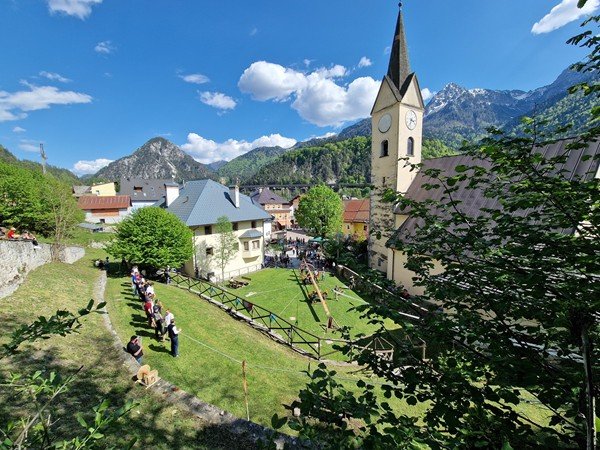
The village square with the bell tower and the mountains, during the Maja festival

La Maja

A towering fir tree, cut in the forest and raised in the middle of the village.

The young people who come of age during the year are tasked with felling a large fir in the forest. They decorate it with wooden figures and coloured ribbons and carry it in procession through the village streets.

Then comes the most spectacular moment: the tree is raised in the centre of the village with a system of ropes and pulleys, and everything depends on the skill of those who hold the ropes and keep the balance.

TraditionAll of AdventValbruna
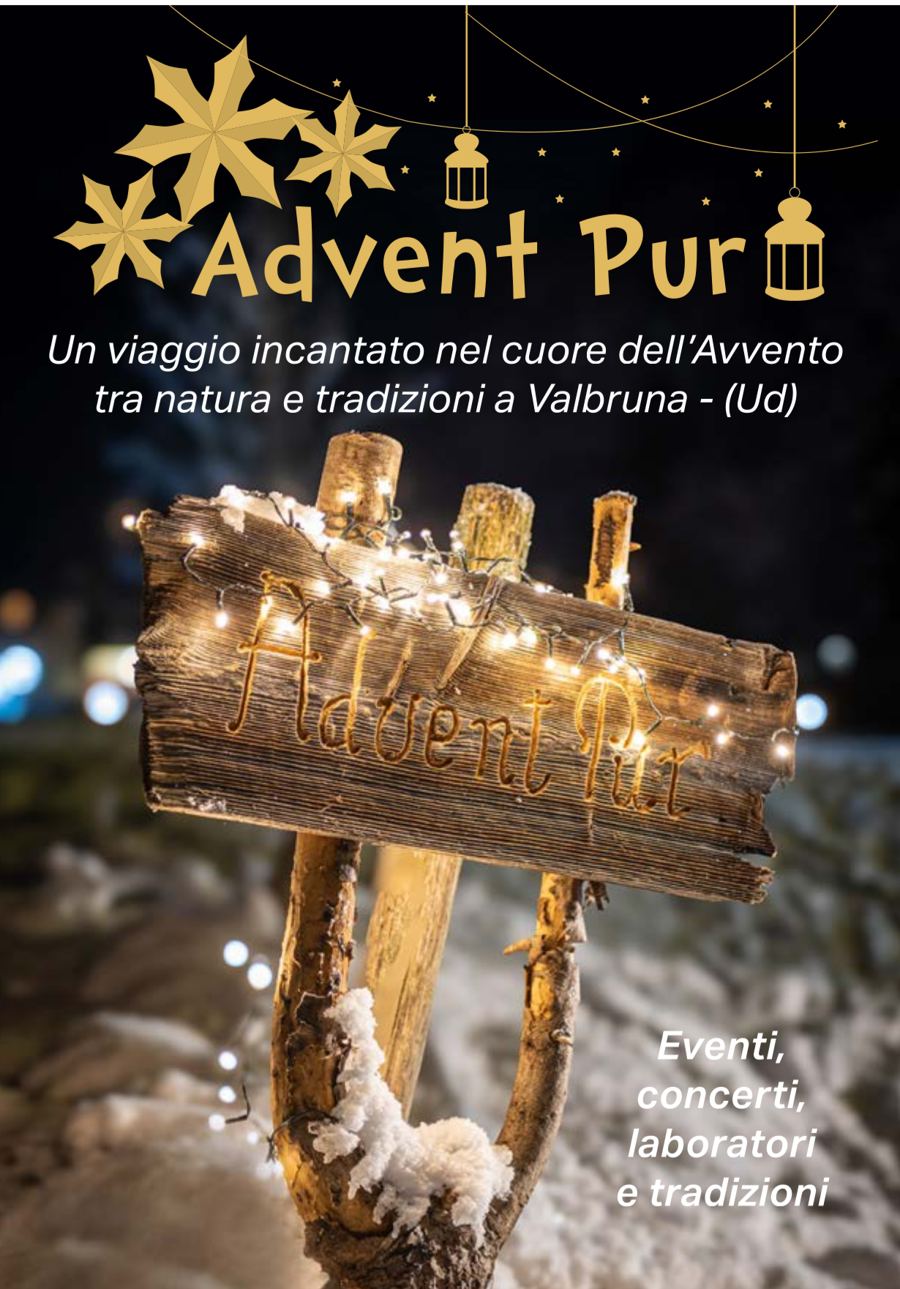
Advent Pur poster: a wooden sign lit by lights in the snowy Valbruna forest

Advent Pur

The Advent trail: an enchanted journey through nature and traditions, in the Valbruna forest.

Throughout Advent the Valbruna plain becomes a trail of about 2 km through woods and meadows, with no climbs, to be walked slowly in the atmosphere of Christmas as it once was, far from rush and consumerism.

Along the way there are huts with hot drinks and local sweets, traditional music, handmade crafts, a small nativity scene with animals and a post office to write to Santa Claus. At sunset little flames light the path and everything becomes even more magical. The programme also includes events, concerts and workshops.

We recommend warm winter clothing, gloves, a hat and hiking shoes; a torch may be useful. Opening days and times change every year: ask us for the up-to-date ones.

Tradition5 DecemberTarvisio, Malborghetto, Rutte Grande, Pontebba
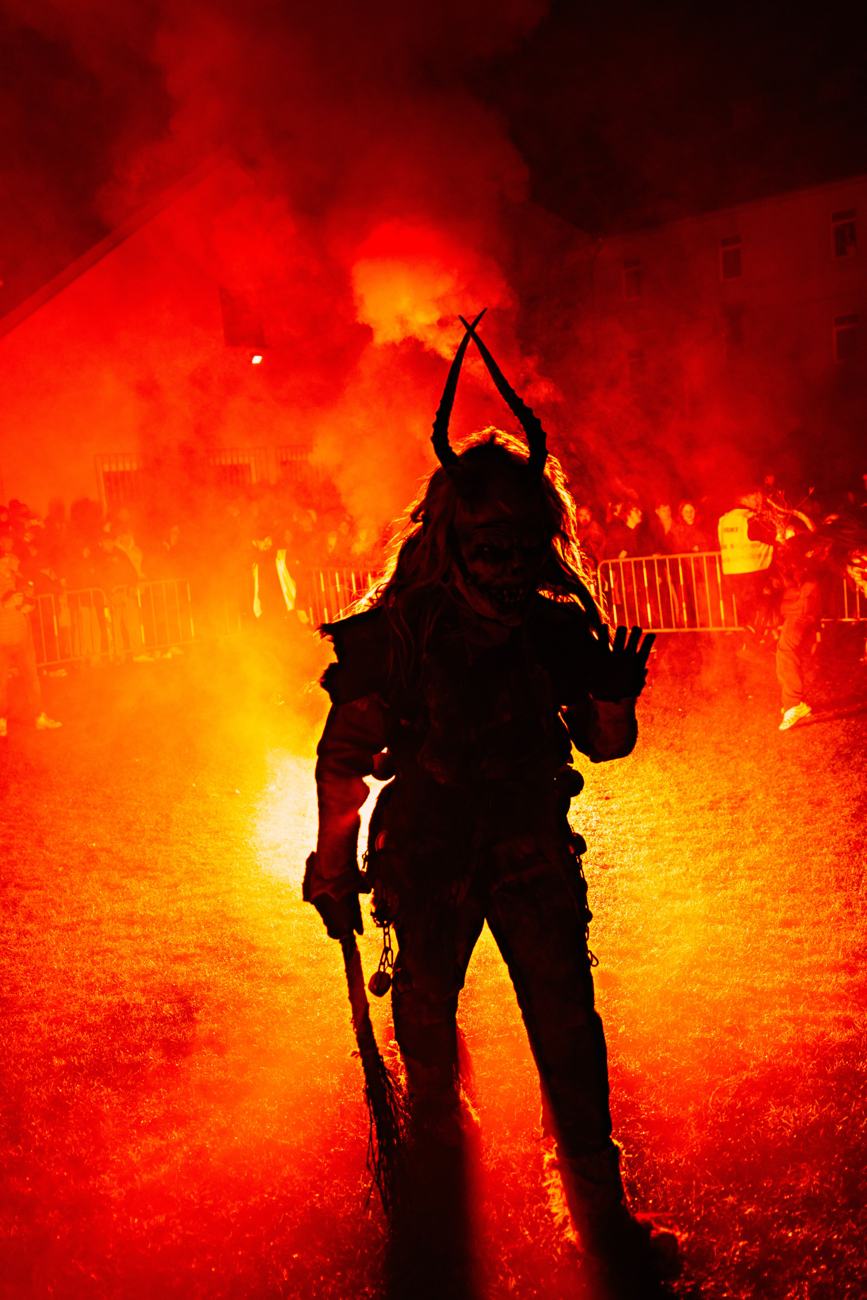
The silhouette of a Krampus with horns and a club, in the red smoke of the night

The Krampus

Devilish creatures that live in the mountains and woods and wait for the evening of 5 December to come down to the valley.

They accompany Saint Nicholas: he rewards good children, they punish the naughty ones. From the evening of 5 December and throughout the month the Krampus liven up the villages of the area.

A rite that combines a little fear with a lot of celebration, and which here, where different Alpine cultures meet, has a very special flavour.

Tradition27 DecemberUgovizza
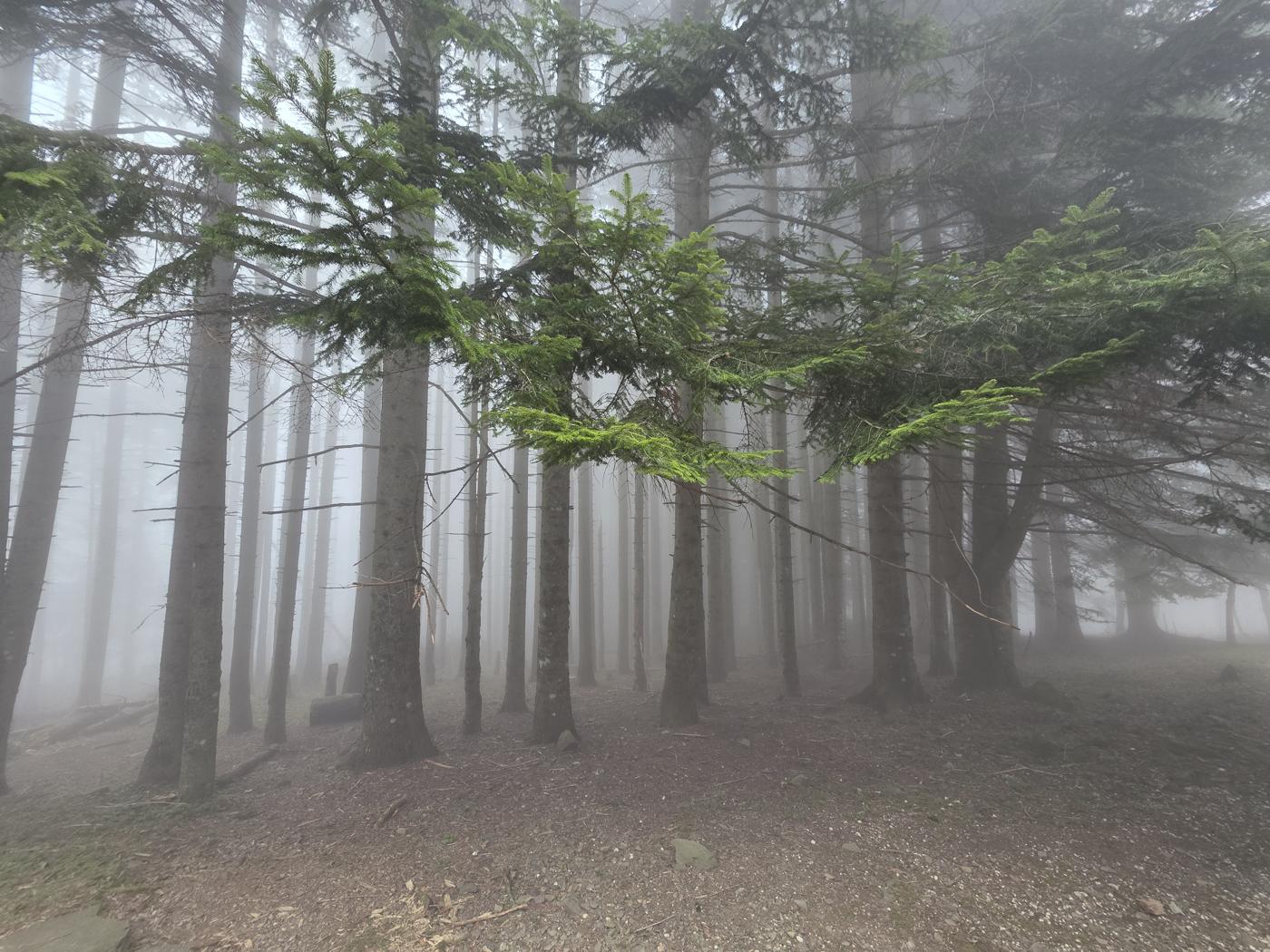
Fir trees in the mist, with a branch of light green buds in the foreground

La Sciapa

A white fir branch, from house to house, to wish a happy new year.

La Sciapa, also called Brina, is an ancient rite of new-year greetings. It used to be held throughout the valley, today it lives on mainly in Ugovizza. The name «Scip sciap» recalls the sound of a branch shaken by hand.

On 27 December the young people who came of age during the year carry from house to house a white fir branch decorated with good-luck symbols: a red cloth heart, medals and coins for prosperity and wealth, little chains for love, the key of Saint Peter, a horseshoe for luck, white bows, bells and little birds for joy. The one carrying the branch explains its meaning to the hosts, another youth offers a drink and a third waits at the entrance with the lantern. The offerings collected support the youth festival and community works.

Outside each house a spontaneous choir of men sings traditional songs mixing Slovene and German and wishing health, long life and generosity. On 28 December, the day of the Holy Innocents, it is the children's turn: they carry undecorated branches and recite a rhyme in Slovene, in which every needle on the branch is a year of happiness.
Tradition · 6 pm1 JanuaryCamporosso, Di Prampero slope, Monte Lussari
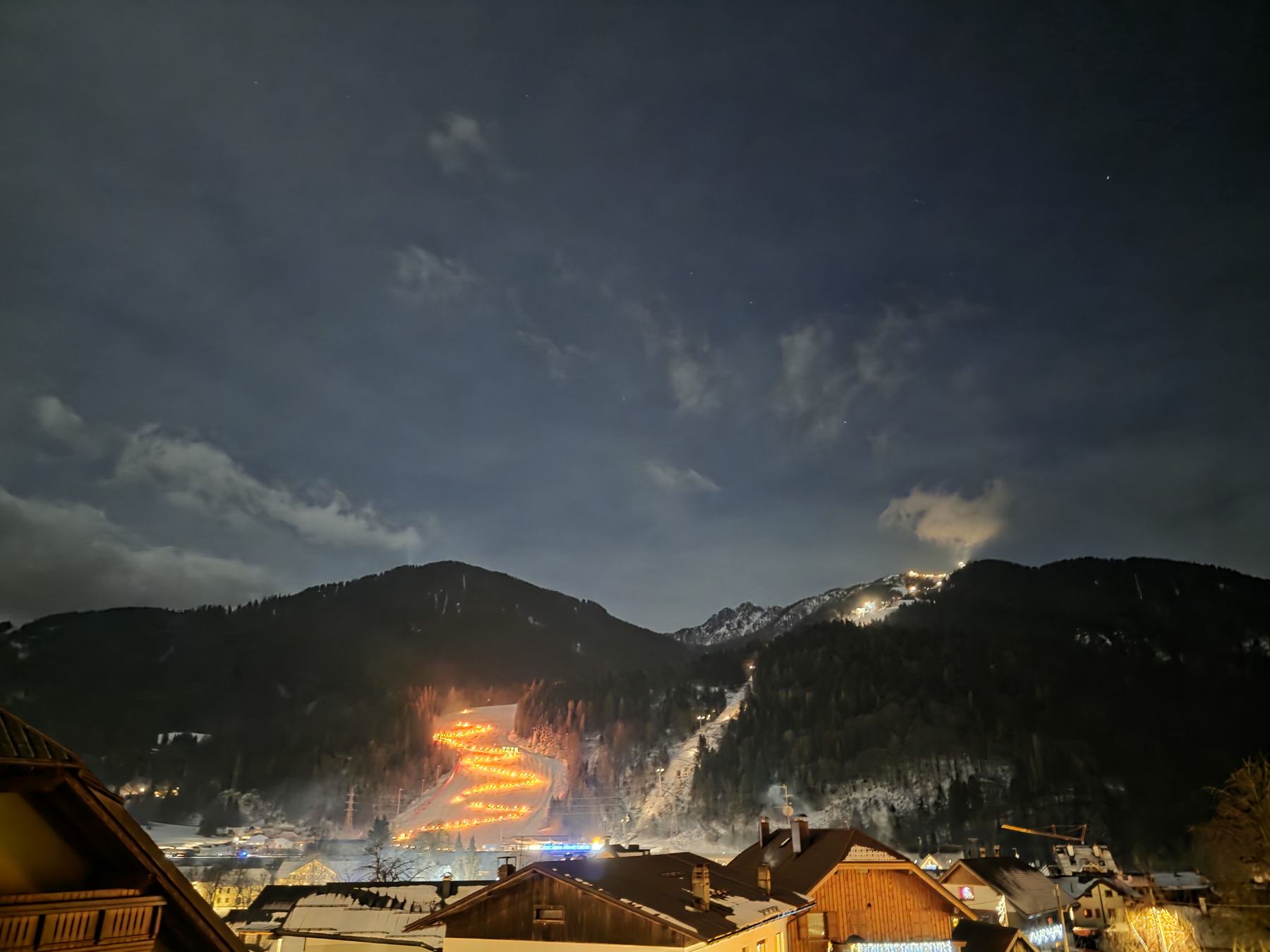
The torchlight procession: a long line of torches zigzagging down the slope above the village, at night

The Lussari Torchlight Procession

Two hundred and fifty torches descending from Lussari in the darkness of New Year's night.

Every New Year's Day, at 6 pm, when darkness falls and only flames light up the mountain, about 250 torchbearers in strict historical costume descend with lit torches along the Di Prampero slope, from Monte Lussari down to Camporosso: about 4 km among firs and larches, with an elevation drop of about a thousand metres. It is considered the longest torchlight procession in the Julian Alps.

Born almost by chance in the early seventies, on the initiative of a few young people from Camporosso (there were about twenty on the first descent), it is now organised by the Unione Sportiva Camporosso and attracts visitors even from Austria and Slovenia. For those who take part it is a symbol of peace, brotherhood and sharing.

The public follows the descent in Camporosso, where during the day there are mountain-product markets and, at 4:30 pm, the children's torchlight procession. For safety reasons places to carry torches are limited and sell out quickly. Programme and times may change from year to year.

Tradition5 JanuaryUgovizza, Camporosso, Malborghetto

The Pechtra Baba

A witch to be chased out of the village, to the sound of cowbells.

On the evening before Epiphany the children run through the streets ringing cowbells as loudly as they can, to drive the Pechtra Baba out of the village: a shabby-looking witch who, according to tradition, damages agricultural production.

Once the chase is over, the cowbells are hung around the necks of the cows, with the same protective purpose.

Tradition6 JanuaryVillages of the Val Canale

The Three Kings

Children dressed as kings, from house to house, singing and writing the year on the door.

On Epiphany the children, dressed as the Three Kings, go from house to house singing and collecting offerings.

In exchange they mark the door frames with the first two digits of the year, the letters K M B (or G M B) and a few crosses: a wish of protection for the house and those who live in it throughout the year.

TraditionPalm SundayVal Canale

The Prajtl (or Palbusch)

A branch made of many different plants, blessed to protect home, fields and animals.

On Palm Sunday the Prajtl, called Palbusch in other areas, is blessed: a branch made up of many plant species, enriched with sweets and ribbons.

After the blessing it is taken home and placed in houses or in the fields, or mixed into the animals' fodder, to protect the harvest and the livestock.

TraditionHoly WeekSan Leopoldo, Malborghetto, Ugovizza, Valbruna, Camporosso, Fusine

Easter in the Val Canale

Wooden rattles instead of bells, Holy Sepulchres and blessed baskets.

From Holy Thursday to Holy Saturday the children use wooden rattles instead of bells. The communities set up elaborate Holy Sepulchres with religious iconography, guarded by volunteer firefighters.

On Holy Saturday the baskets with Easter foods are blessed: horseradish, ham in bread, Reindling or Schartl.

Dates and places may change from year to year: if you want to plan your stay around one of these festivals, write to us or call us and we will tell you what is happening when you arrive. Every week we also publish the activities of the week.

Request your dates

Come and experience them. Write to us.